

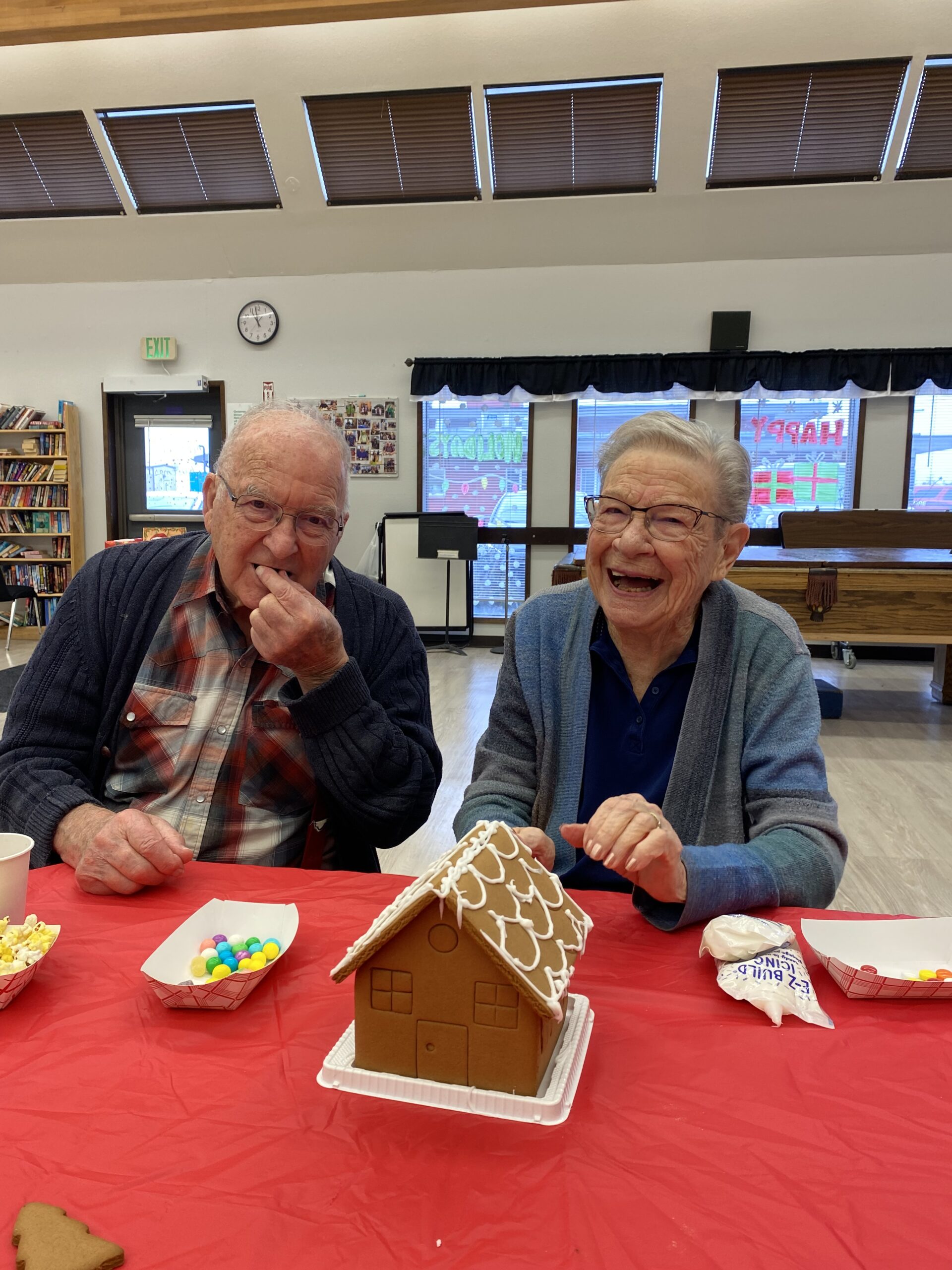
We all know the basics of staying healthy as we get older.
Eat well. Stay active. Get enough sleep. Keep up with doctor appointments.
But there’s another piece of healthy aging that’s easy to overlook:
Other people.
Having people to talk to, places to go and reasons to get out of the house isn’t just nice. Research increasingly shows that staying socially connected is an important part of maintaining our physical, mental and cognitive health as we age.
And sometimes maintaining those connections takes a little more effort than it once did.
Our Social Lives Change as We Get Older
Think about how many built-in opportunities we have to interact with people during the busiest parts of adulthood.
We go to work. We take children to school and activities. We attend meetings. We run errands. We see coworkers every day and neighbors on the weekend.
Then things begin to change.
Retirement can suddenly remove dozens of regular social interactions from our week. Children grow up and build lives of their own. Friends move away. A spouse or longtime friend may die. Health or mobility changes can make it more difficult to get out.
Even giving up driving can dramatically change how often someone interacts with other people.
None of that necessarily means a person is lonely.
But it does mean we may need to become more intentional about staying connected.
Loneliness and Social Isolation Aren’t the Same Thing
It’s possible to live alone and be perfectly happy.
It’s also possible to be surrounded by people and feel terribly lonely.
Researchers make an important distinction between social isolation and loneliness.
Social isolation means having relatively few social contacts or people you interact with regularly. Loneliness is the feeling that you’re alone or that you don’t have the quality of connection you want.
Either can become a concern as we age.
Connection Is Part of Healthy Aging
Social relationships aren’t separate from our health.
They’re part of it.
Research has associated loneliness and social isolation in older adults with increased risks of depression, heart disease and cognitive decline.
On the other hand, meaningful social activity can provide a sense of belonging and purpose. It can encourage us to stay physically active, keep routines and continue engaging with the world around us.
There’s something powerful about simply having somewhere to be.
A Tuesday morning exercise class means getting up, getting dressed and seeing familiar faces.
A weekly card game means someone notices when you’re missing.
Lunch with friends gives you something to put on the calendar.
A volunteer shift means somebody is counting on you.
Those little connections add structure and purpose to our lives.
You Don’t Need a Huge Social Circle
Staying socially connected doesn’t mean becoming the busiest person in town.
You don’t need dozens of friends or an activity scheduled every day.
For some people, a full social calendar would be exhausting.
What matters is having meaningful connections that work for you.
That might mean having coffee with the same friend every Thursday.
It could be attending church, joining a quilting group, volunteering, playing cards, taking an exercise class, calling family regularly or having lunch with other people a couple of times a week.
Quality matters.
And consistency helps.
Try Connecting Around Something You Already Enjoy
If the idea of “going somewhere to meet people” sounds uncomfortable, don’t make meeting people the goal.
Do something you enjoy instead.
Like playing pinochle?
Find a game.
Enjoy painting or crafting?
Join other people who do it.
Want to move a little more?
Try an exercise class.
Interested in helping your community?
Volunteer.
Conversation tends to happen naturally when people are doing something together. You don’t have to walk into a room of strangers and figure out how to make friends.
You just have to have something in common.
Community Spaces Matter
This is one reason places like Timber River Connections’ Older Adult Centers are important.
Timber River Connections is dedicated to serving the nutritional and social needs of older adults throughout Lewis County.
Yes, that includes meals and resources.
But it also includes something that’s much harder to measure:
Connection.
Our centers provide places where people can exercise together, play games, learn, volunteer, create things, share meals and simply spend time around other people.
Sometimes that means developing close friendships.
Sometimes it just means walking into a building and hearing someone say, “Good morning! Glad you’re here.”
Both matter.
Look Out for the People Around You
Social connection isn’t only something we should think about for ourselves.
Think about the older adults in your life.
Has someone stopped driving recently?
Lost a spouse?
Retired?
Moved to a new community?
Stopped participating in activities they once enjoyed?
Maybe they don’t need anything complicated.
Maybe they need an invitation.
Ask them to lunch.
Offer a ride.
Invite them to an activity.
Call them.
And if you’d like to introduce someone to a Timber River Connections center, consider going with them the first time.
Walking through an unfamiliar door is a lot easier when someone walks through it with you.
Staying Connected Is Worth the Effort
Relationships change throughout our lives.
That’s normal.
But growing older doesn’t mean becoming disconnected from the people and communities around us.
In fact, staying connected may be one of the most important investments we can make in our well-being.
So call the friend.
Go to lunch.
Try the class.
Volunteer.
Play the game.
Introduce yourself.
And keep showing up.
Because healthy aging isn’t only about adding years to our lives.
It’s about continuing to have people, purpose and community in those years.